Tag: Retrospective

  • The Fantastic Optimus Alpha Approach to Data-Informed Retrospectives

    TL; DR: Optimus Alpha Creates Useful Retrospective Format

    In this experiment, OpenAI’s new stealthy LLM Optimus Alpha demonstrated exceptional performance in team data analysis, quickly identifying key patterns in complex agile metrics and synthesizing insights about technical debt, value creation, and team dynamics. The model provided a tailored Retrospective format based on real team data.

    Its ability to analyze performance metrics and translate them into solid, actionable Retrospective designs represents a significant advancement for agile practitioners.
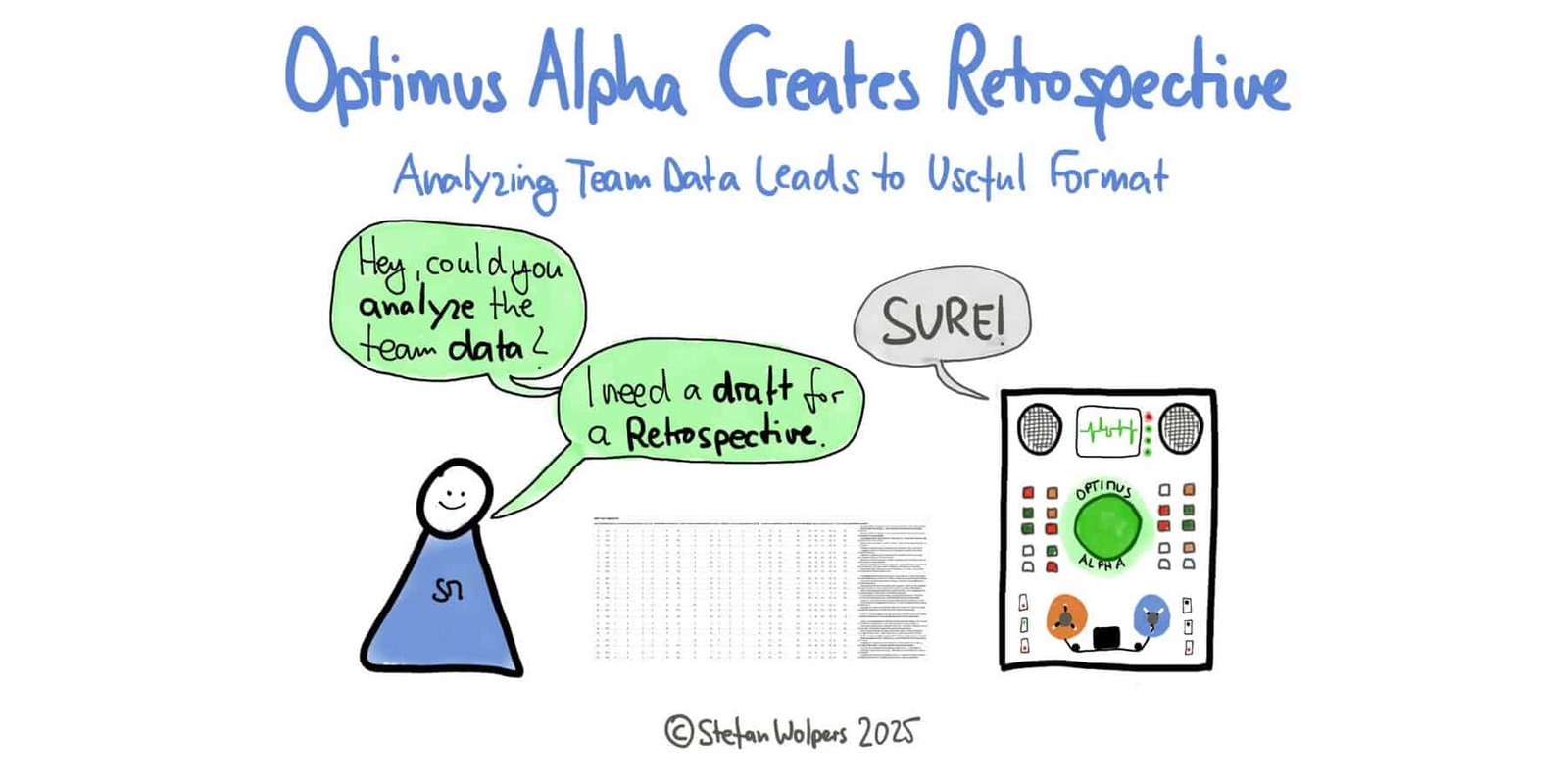
    Breaking the Feature Factory: The Optimus Alpha Approach to Data-Informed Retrospective Design — Berlin-Product-People.com

    (more…)

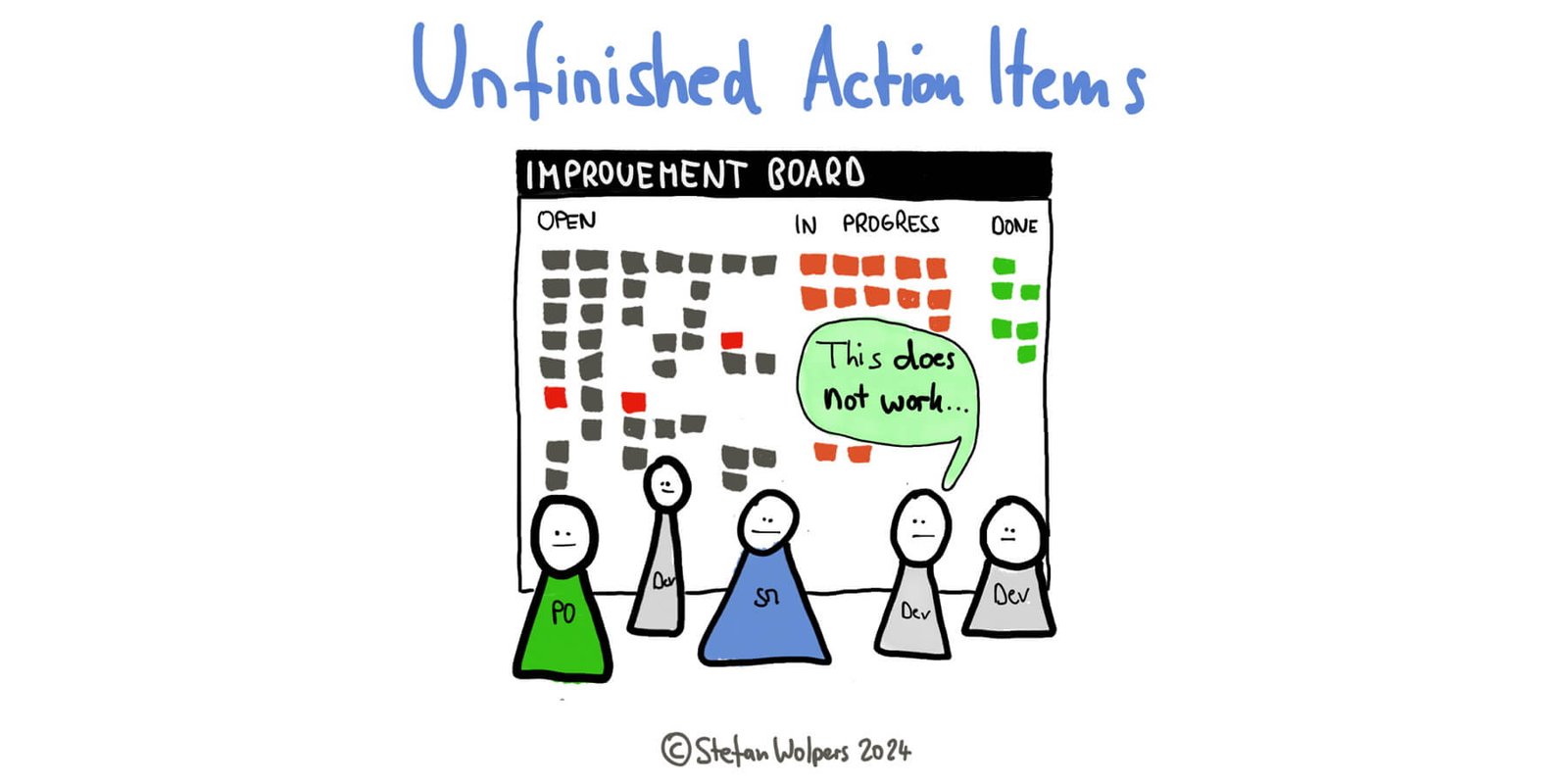
  • Ditch the Unfinished Action Items: How to Make Retrospectives Lead to Real Change

    TL; DR: Unfinished Action Items: How to Make Retrospectives Useful

    If your team consistently creates action items during Retrospectives but rarely completes them, you’re not alone. Unfinished action items are a major productivity killer and lead to stalled progress. This article highlights five actionable practices to ensure Retrospective tasks get done, including limiting action items in progress, assigning clear ownership, and adding a reviewing progress in every Retrospective.

    The key to real improvement isn’t in creating long lists—it’s in following through. By treating Retrospective action items with the same importance as other Sprint tasks, your team can finally break the cycle of unfinished improvements and see real, beneficial change, individually and at the team level.

    Ditch the Unfinished Action Items: How to Make Retrospectives Lead to Real Change and Stop Spinning Wheels — Berlin-Product-People.com

    (more…)

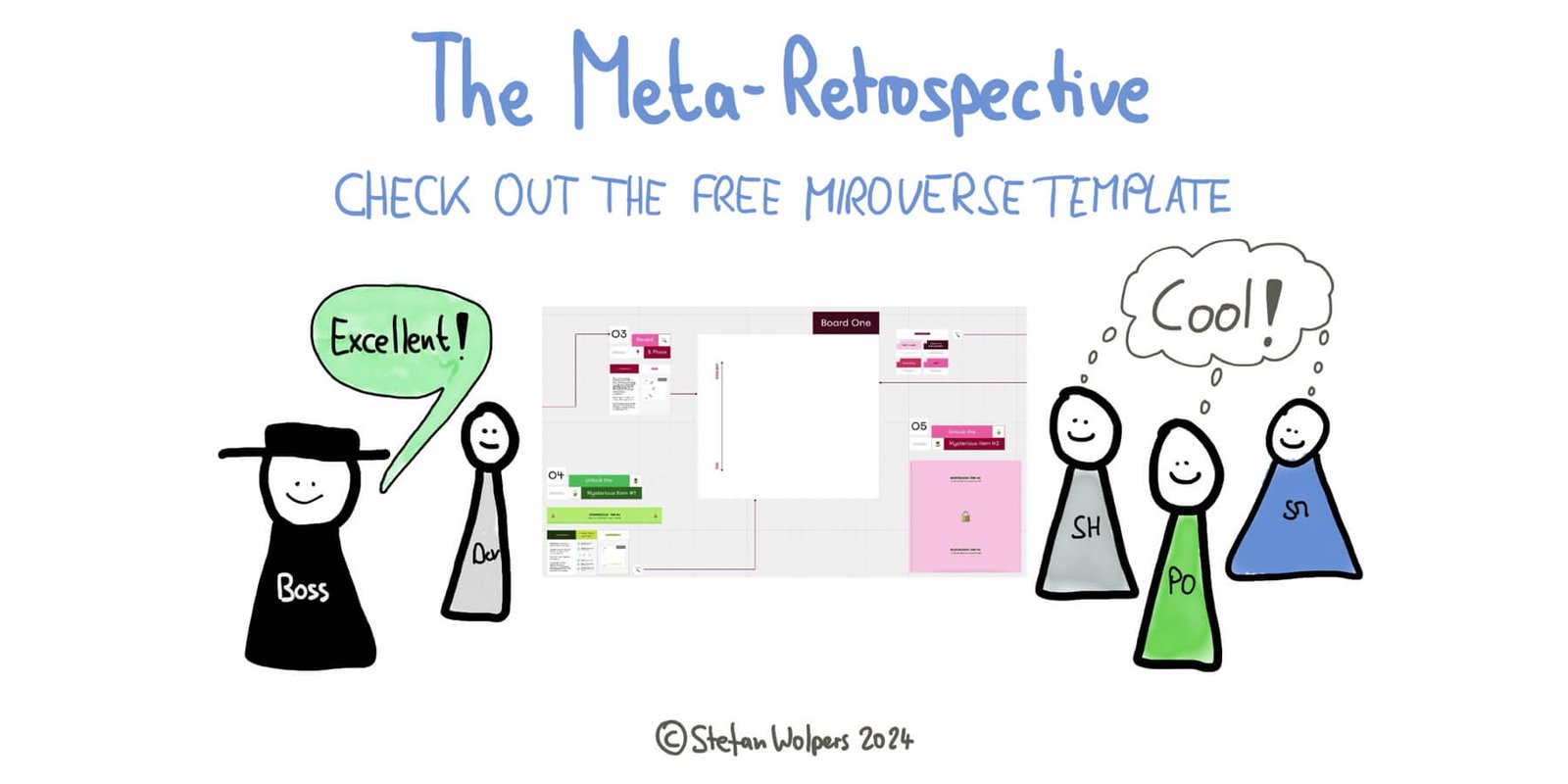
  • The Meta-Retrospective — Check Out the Free Miroverse Template

    The Meta-Retrospective — Check Out the Free Miroverse Template

    TL; DR: The Meta-Retrospective

    The Meta-Retrospective is an excellent exercise to foster collaboration within the extended team, create a shared understanding of the big picture, and immediately create valuable action-items. It comprises team members of one or several product teams—or a representative from those—and stakeholders. Participants from the stakeholder side are people from the business as well as customers. Meta-Retrospectives are useful both as a regular event, say once a quarter, or after achieving a particular milestone, for example, a specific release of the product.

    Read more on how to organize such a Meta-Retrospective and do not forget to check out the free Miro Meta-Retrospective template.

    The Meta-Retrospective — Check Out the Free Miroverse Template

    (more…)

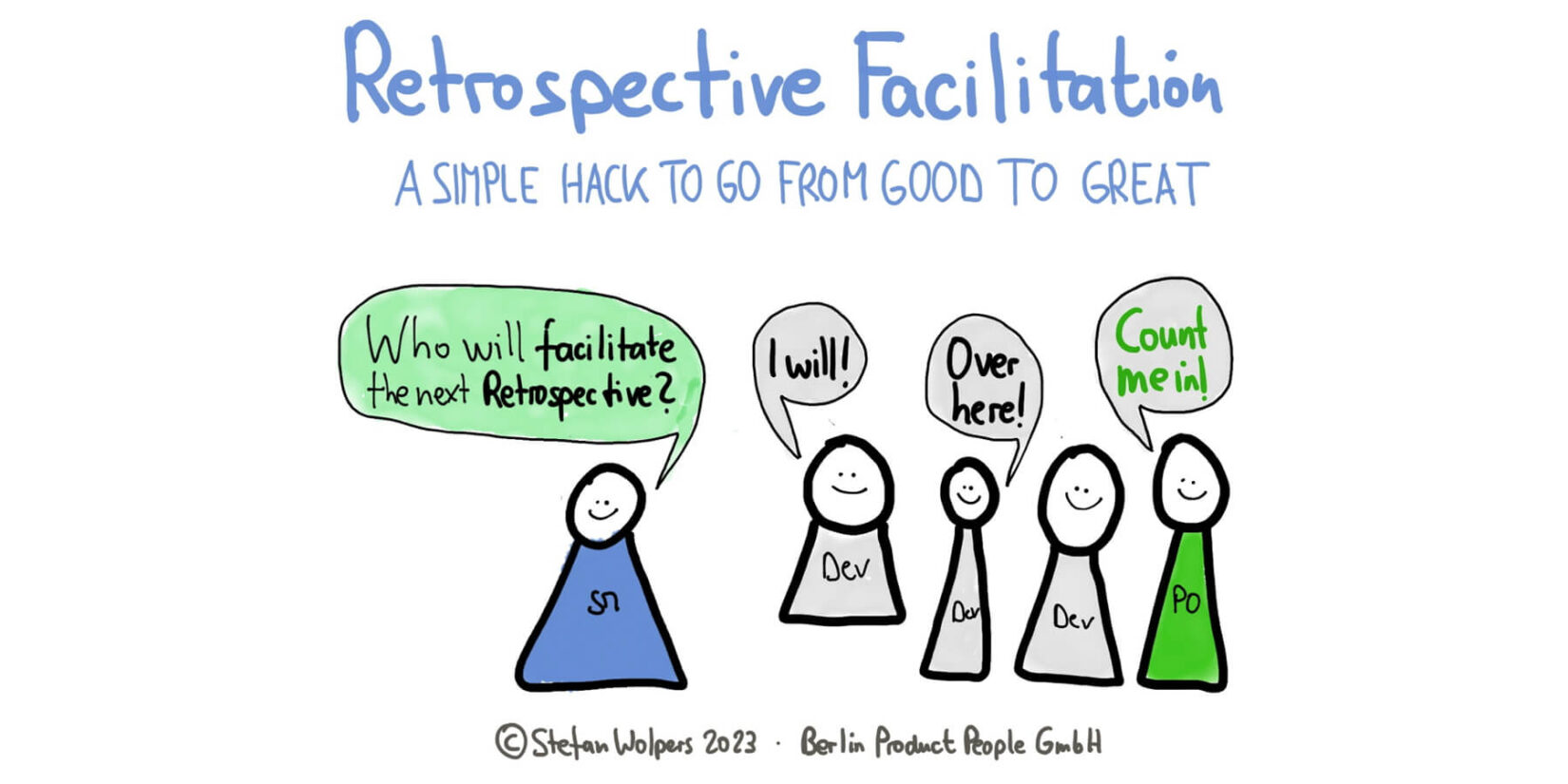
  • Retrospective Facilitation: A Simple Hack to Go from Good to Great

    TL; DR: Retrospective Facilitation — Going from Good to ???? Great

    The magic technique to turn a boring Retrospective into an outstanding Retrospective is the rotation of the facilitator role equally among all team members. Check out the following ten benefits of this Retrospective facilitation practice, from boosting learning and skill development to ensuring continuity to encouraging ownership.

    Retrospective Facilitation: A Simple Hack to Go from Good to Great — Berlin-Product-People.com

    (more…)

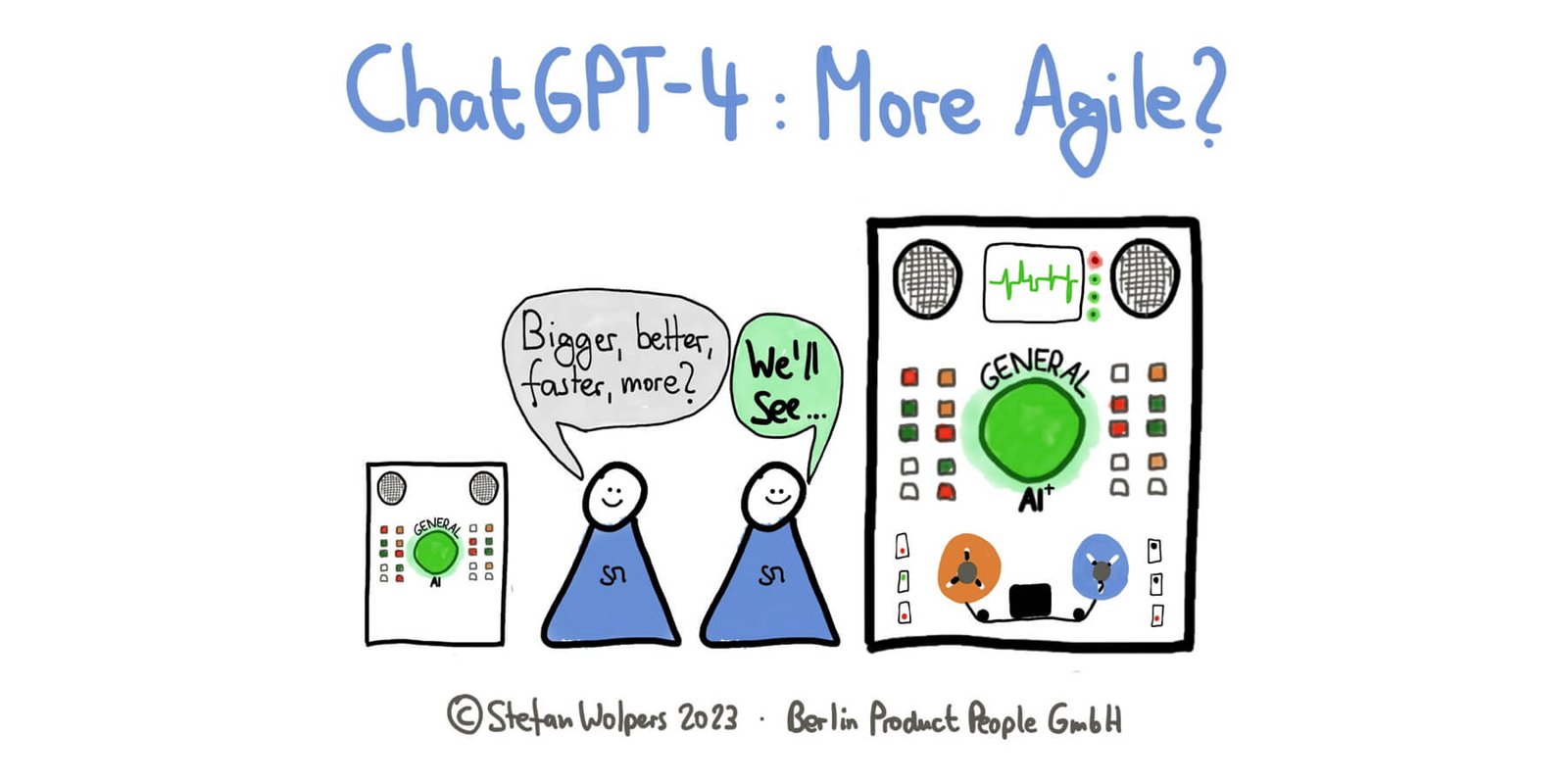
  • ChatGPT 4: A Bargain for Scrum Practitioners?

    TL; DR: ChatGPT 4: A Bargain for Scrum Practitioners?

    When OpenAI released its new LLM model GPT-4 last week, I could not resist and signed up for $20 monthly. I wanted to determine whether ChatGPT 4 is superior to its predecessor, which left a good impression in recent months; see my previous articles on Scrum, Agile, and ChatGPT.

    I decided to run three comparisons, using the identical prompt to trigger answers from the new GPT-4 and previous GPT-3.5 models. Read on and learn what happened. It was not a foregone conclusion.

    ChatGPT 4: A Bargain for Scrum Practitioners? Berlin-Product-People.com

    (more…)

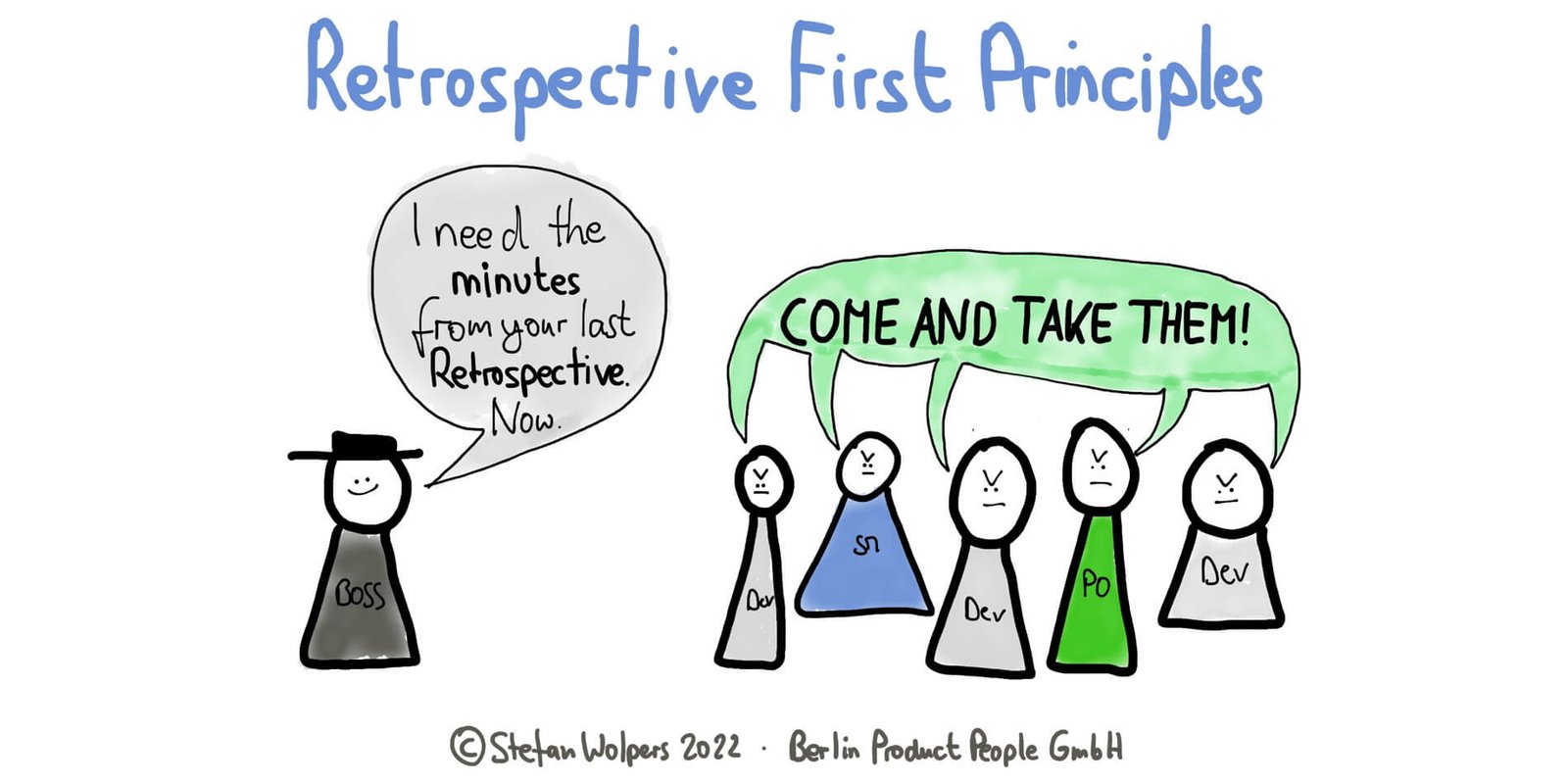
  • Retrospective First Principles

    TL; DR: Retrospective First Principles

    What is your take on the Retrospective: A routine exercise at the end of a Sprint, supported by standard operating procedures? Or a critical part of a Scrum team’s journey of continuous improvement? As you may assume, I advocate for the latter. In my experience, Scrum teams start utilizing Retrospectives to their full potential when they embrace a short set of Retrospective first principles, outlining the essence of the Why, the What, and the How.

    Retrospective First Principles — Berlin Product People GmbH

    For classic nerds: “Molon labe (Ancient Greek: μολὼν λαβέ, romanized: molṑn labé), meaning ‘come and take [them][…]’

    (more…)

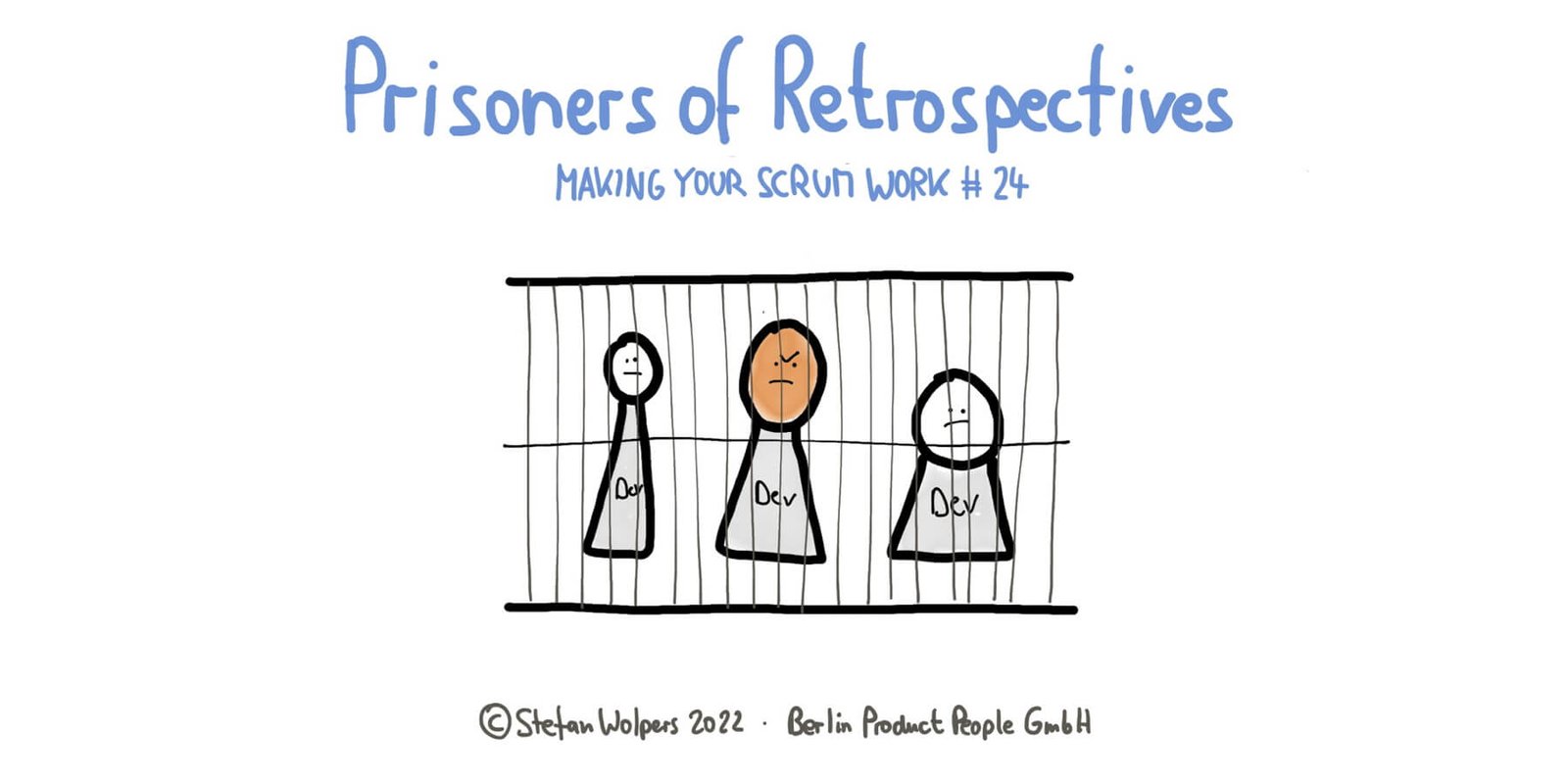
  • Prisoners of Retrospectives — Making Your Scrum Work #24

    TL; DR: Prisoners of Retrospectives

    There are plenty of failure possibilities with Scrum. Given that Scrum is a framework with a reasonable yet short “manual,” this effect should not surprise anyone. What if, for example, not all of your Scrum team’s members feel enthusiastic about the Sprint Retrospective, the critical event when the Scrum team inspects itself? How can you help them become dedicated supporters instead? Join me and delve into how to avoid teammates feeling like prisoners of Retrospectives in less than two minutes.

    Prisoners of Retrospectives — Making Your Scrum Work #24 — Berlin Product People GmbH

    (more…)

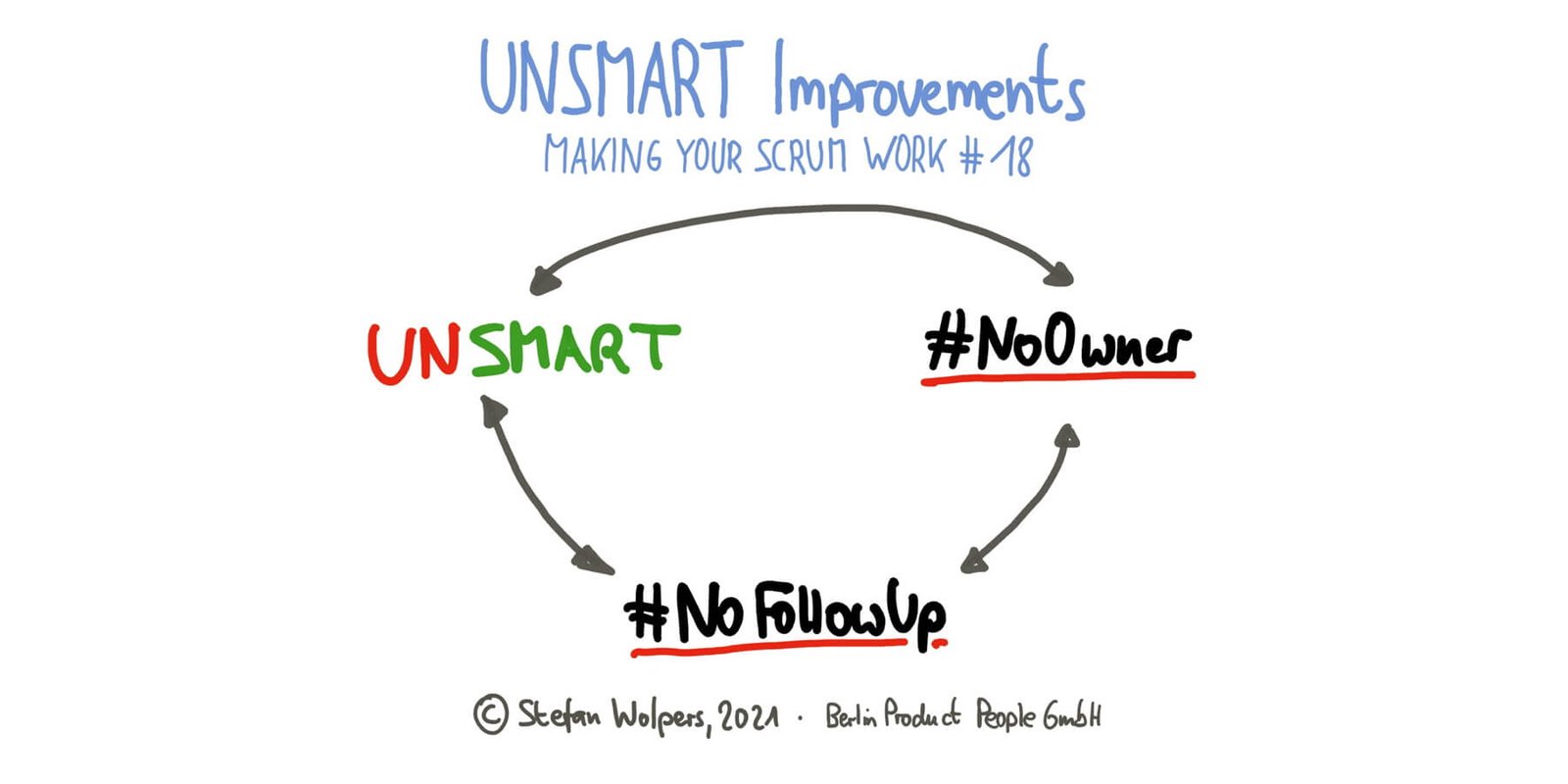
  • UnSMART Improvements at Retrospectives — Making Your Scrum Work #18

    TL; DR: Unsmart Improvements

    There are plenty of failure possibilities with Scrum. Given that Scrum is a framework with a reasonable yet short “manual,” this effect should not surprise anyone. One area that typically flies under the radar is improvements. While the Scrum Guide encourages addressing the most impactful ones as soon as possible, it is up to the Scrum team to figure out how to improve. One manifestation of this core team task we often encounter is picking unsmart improvements, though.

    Join me and delve into the consequences of picking unsmart improvements as a Scrum Team in less than 90 seconds.

    UnSMART Improvements at Retrospectives — Making Your Scrum Work #18 — Berlin Product People GmbH

    (more…)

  • Skipping Retrospectives — Making Your Scrum Work #17

    TL; DR: Skipping Retrospectives?

    There are plenty of failure possibilities with Scrum. Given that Scrum is a framework with a reasonable yet short “manual,” this effect should not surprise anyone. One area where Scrum’s nature of being intentionally incomplete causes issues regularly is whether Scrum teams shall stick to the event schedule even if the team’s life is uneventful? For example, is skipping Retrospectives okay?

    Join me and delve into the consequences of skipping Retrospectives in less than 90 seconds.

    Skipping Retrospectives — Making Your Scrum Work #17 — Berlin Product People GmbH

    (more…)

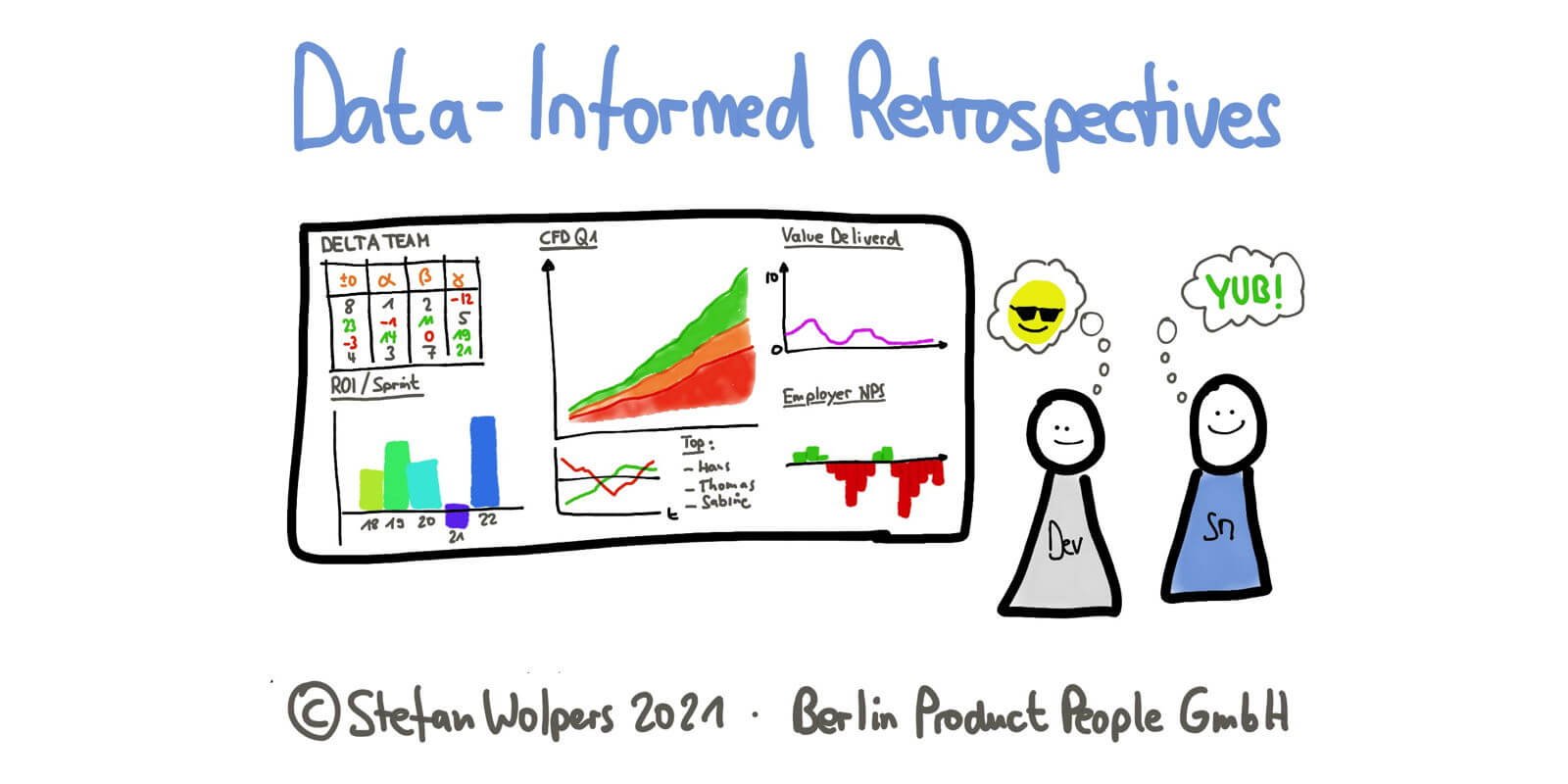
  • Data-Informed Retrospectives

    TL; DR: Data-Informed Retrospectives

    In their book Agile Retrospectives, Esther Derby and Diana Larsen popularized the idea that a Sprint Retrospect comprises five stages. The second stage refers to gathering data so that the Scrum Team can have data-informed Retrospectives.

    As I have observed in practice, many Scrum Teams either limit the data gathering part of the Retrospective, thus lacking vital information. Or they invest too much time doing so, leaving little capacity to analyze the data and come to conclusions on how to best improve as a team.

    Read on and learn how you can avoid falling victim to both scenarios by gathering data continuously and asynchronously.

    Data-Informed Retrospectives — Berlin Product People GmbH

    (more…)